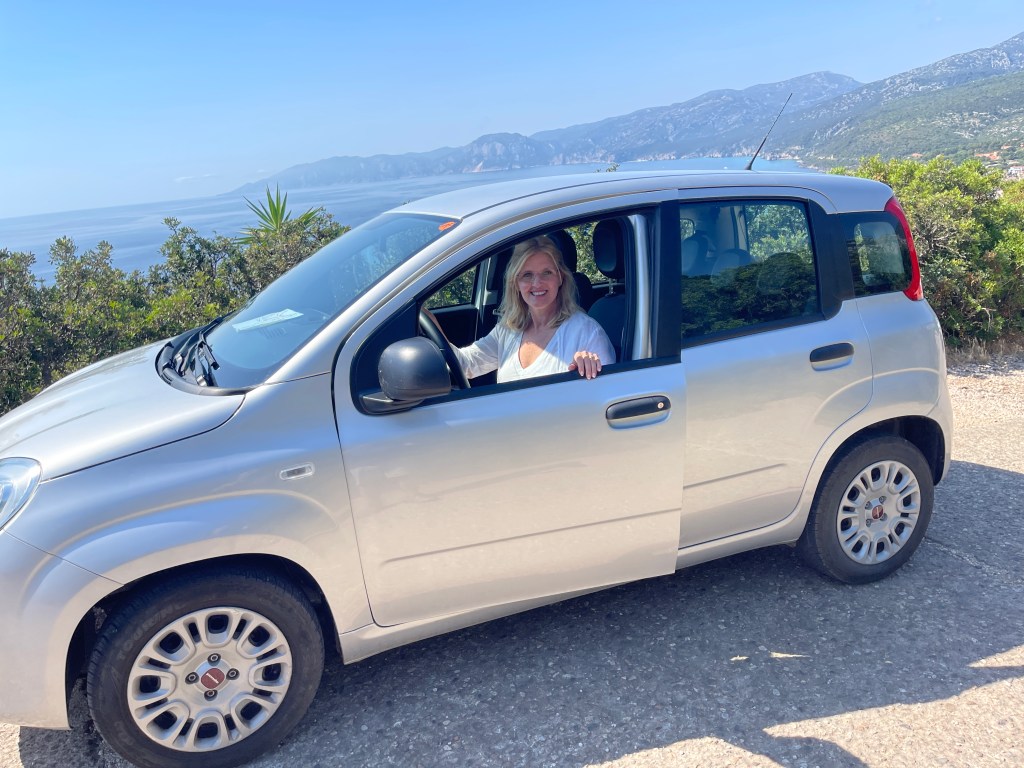
This week, I took a terrifying drive up the mountain to visit a local farm. The lady that ran the tour company in Cala Gonone where we rented the car had given me a map where she circled several areas I should make a point to visit. Since I wanted to learn how to live a long and healthy life, and I knew the people in the area were some of the longest-living people in the world, I set out on a drive to discover their secrets to longevity. Being in a vehicle in Sardinia without a local driver was stressful, to say the least. The drive took me around winding roads that barely had enough room for two-way traffic. At each curve, I prayed and held my breath that no other vehicle would be coming around from the other side! There were a few times when I was so close to the edge of the cliff that I thought I might slide over and crash. I imagined how ironic it would be for my life to end as I was searching for the secrets to longevity.

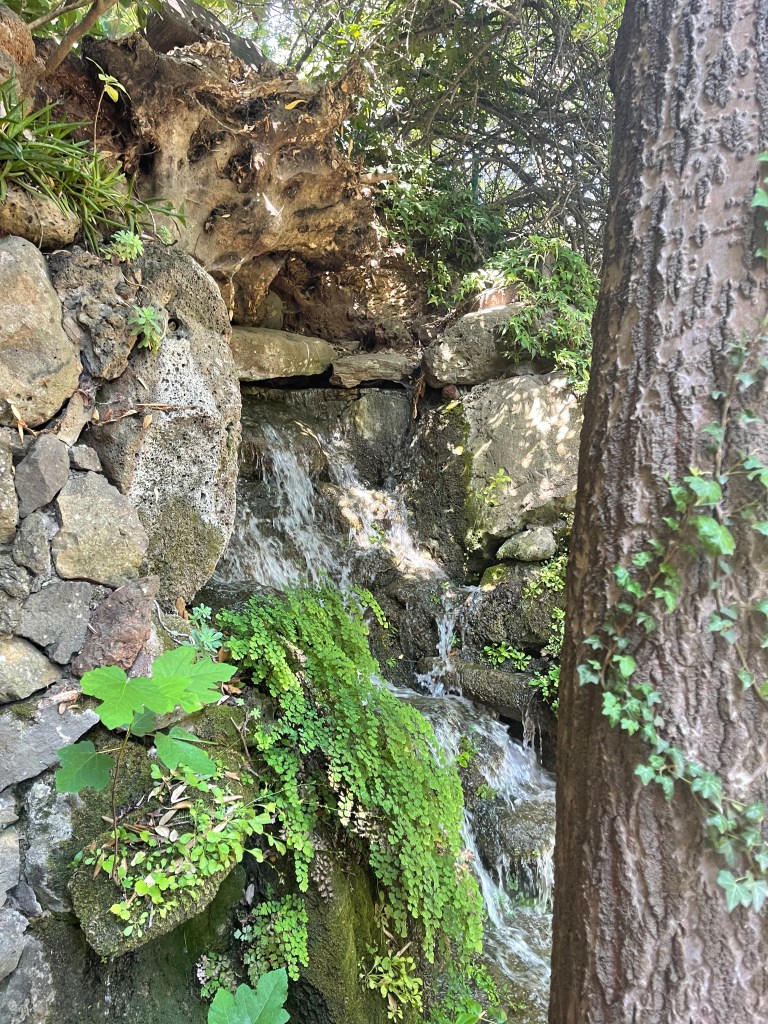
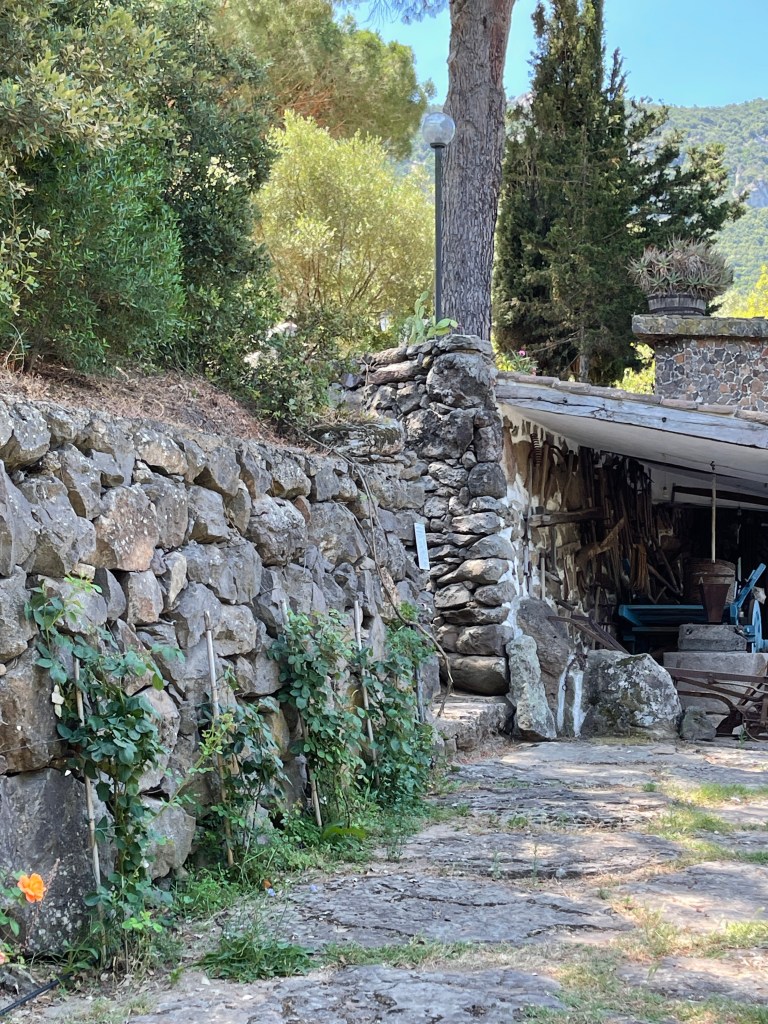
My first visit was to S’Abba Frisca. S’Abba Frisca is a family-owned farm that has been made into a living outdoor museum in Littu Valley in the Nuoro province. It is in the territory of Dorgali, 5 km from the town center and 4 km from Cala Gonone where I was staying. The farm lies beneath the limestone peaks of Mount Ruiu and Mount Irveri. S’Abba Frisca means fresh water, and it gets its name from the spring which feeds into the fountains, a small lake, and waterfalls. The farm paths are made of stone and shaded by a thick grove of evergreen oaks, citrus trees, and other ancient trees that provide shade and keep the air cool even in the scorching summer heat. The sun was beating down without a cloud in the sky so I was thankful to walk in the shade beneath the trees!
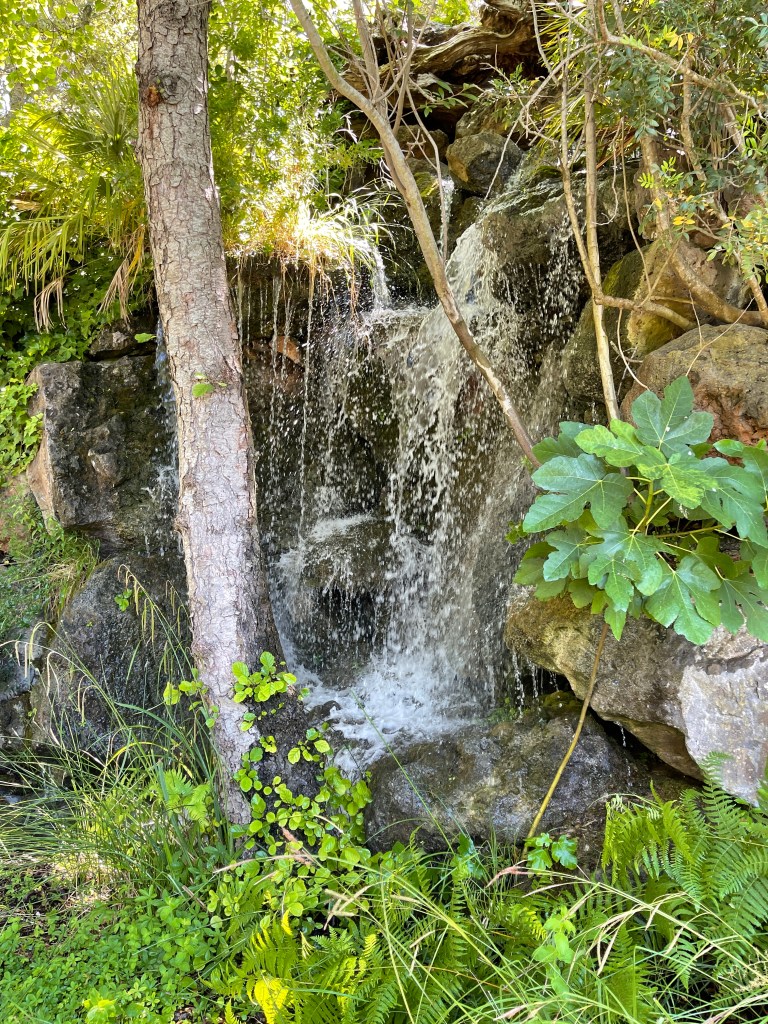
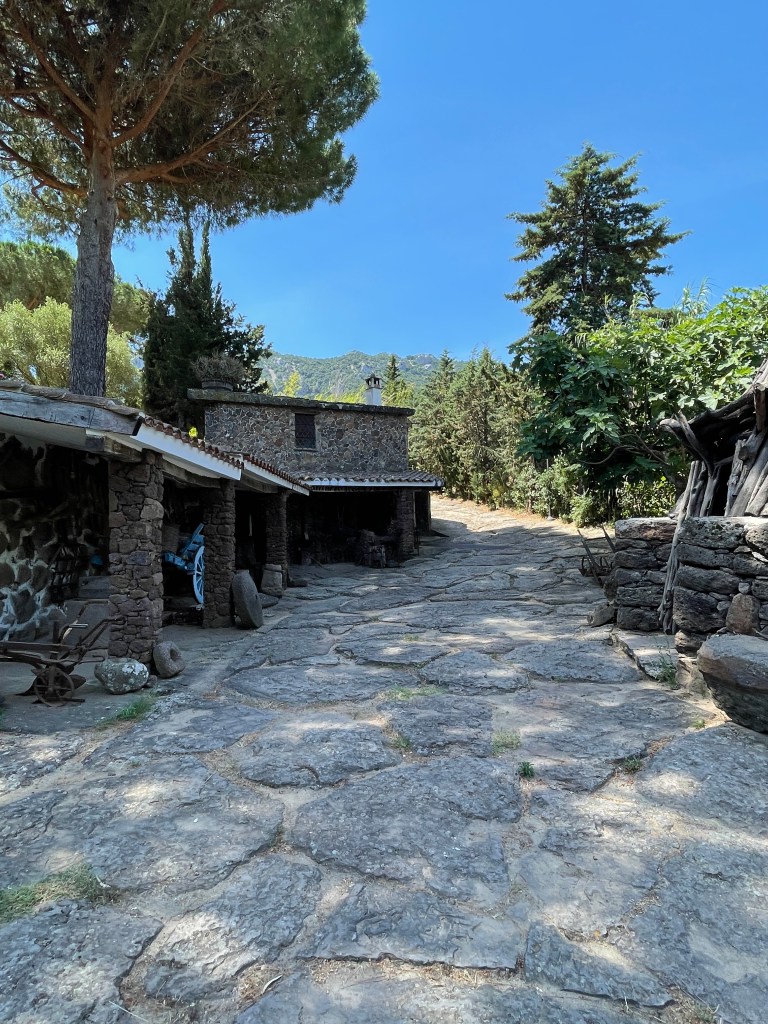
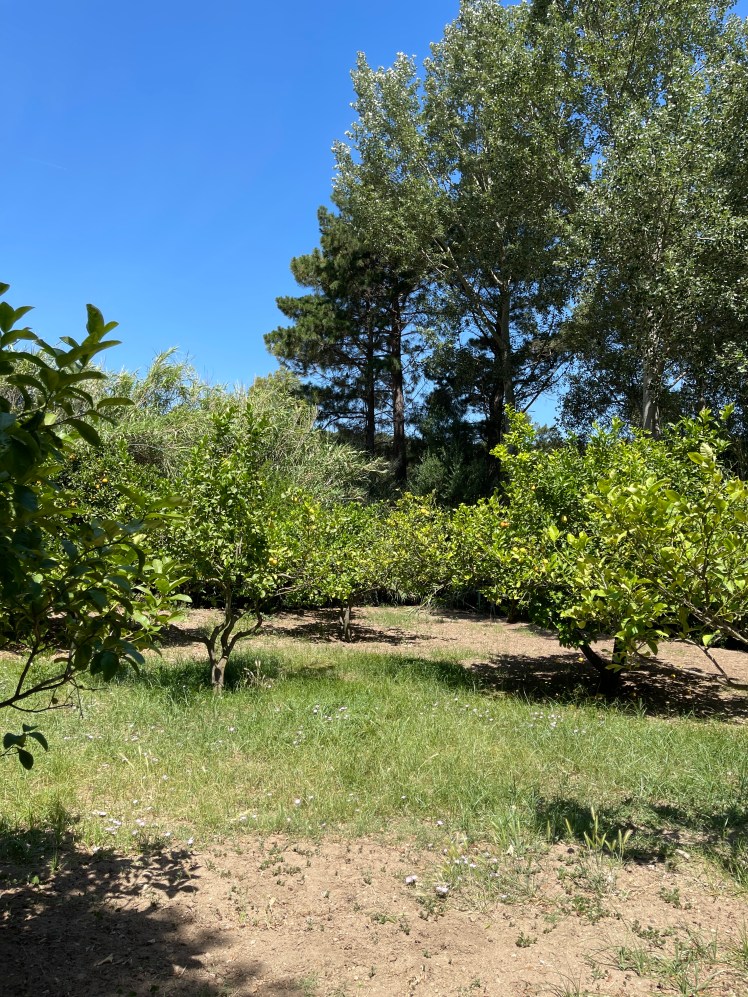
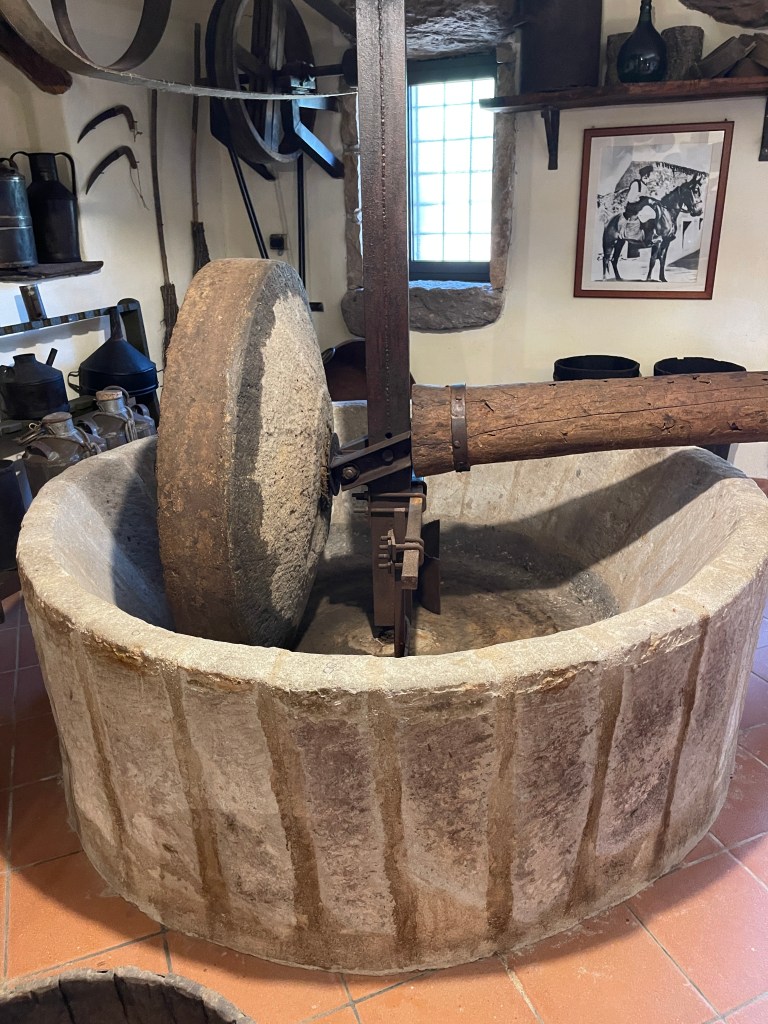
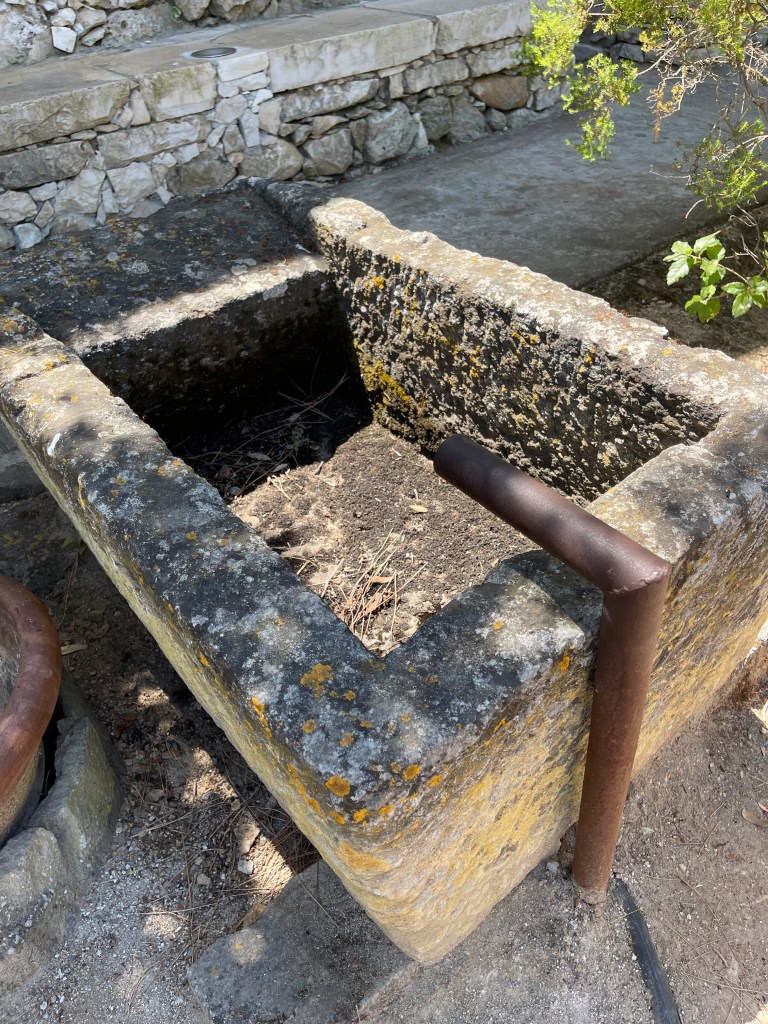
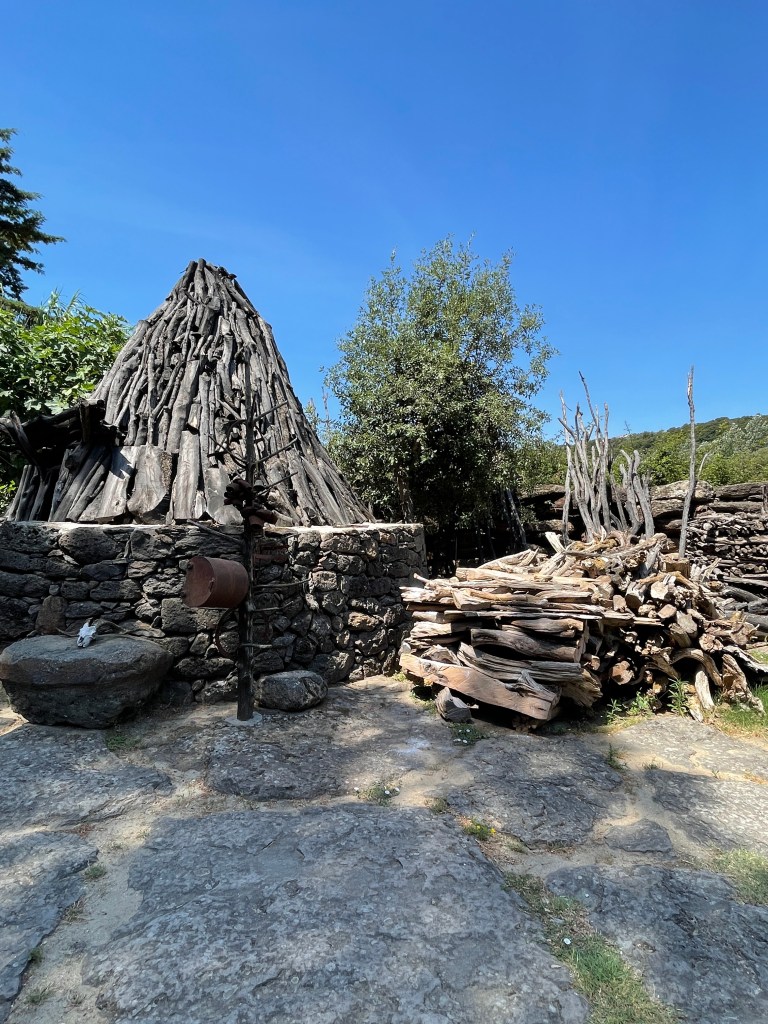
Although the farm has become a living history museum, it remains a working farm today. While visiting there, I was able to learn about the history of the family that owns it, the region, and the community in which it is located. The family has collected a multitude of artifacts over the years that they display and love to share with visitors. I was able to taste the wine made from the old winepress and olive oil made from the stone olive press which always played central roles in the area. The farm is home to plants that were used for dyeing cloth, essential oils, and making medicines in the past.
I was shown how in the past, wheat was ground into flour using a grinding wheel powered by donkeys and how the donkey was also used to bring water up the old well. Later, in the afternoon I watched how to make Carasau bread. Carasau is a traditional flatbread known for its crispiness and lightness. It takes a lot of skill to master the taste and thinness of Carasau bread. The dough is rolled out very thin and placed in a fire oven. When it fills with air in the middle it creates two layers and then the edges are cut to create two pieces of bread. Then the bread is baked a second time to add more color to it. To me, it was almost like eating a very crisp and delicious cracker. It was the perfect food for shepherds because it would remain good to eat for a long time while the shepherds were isolated in the countryside.

I also learned how they made cheese using sheep’s milk. Sardinians (at least the ones in the area in which I studied) rarely meat unless for a celebration of some sort. Due to the tradition of sheep raising, they have always made their own sheep cheese, which is high in protein, and Omega-3 fatty acids, while containing low amounts of cholesterol. The sheep roam free, eating grass, which likely results in producing higher quality milk. The grandson told us how his grandfather and uncles lived and worked as shepherds herding their sheep. They would go away with their flocks for weeks, maybe months at a time through the beautiful but rugged terrain of Sardinia.

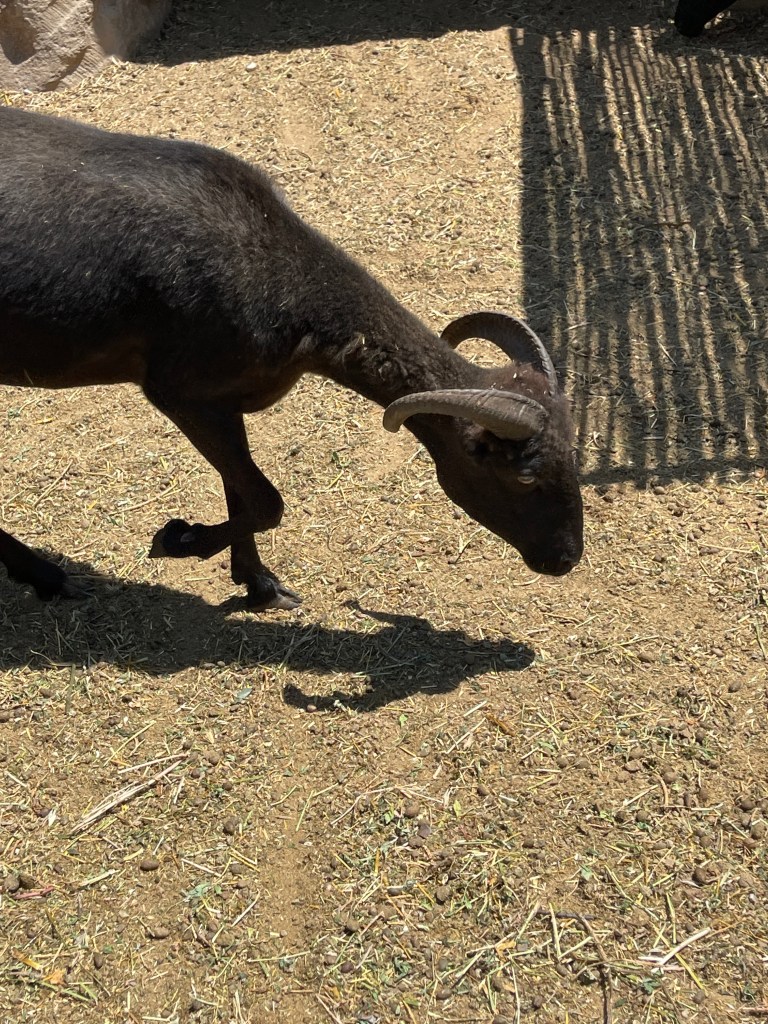
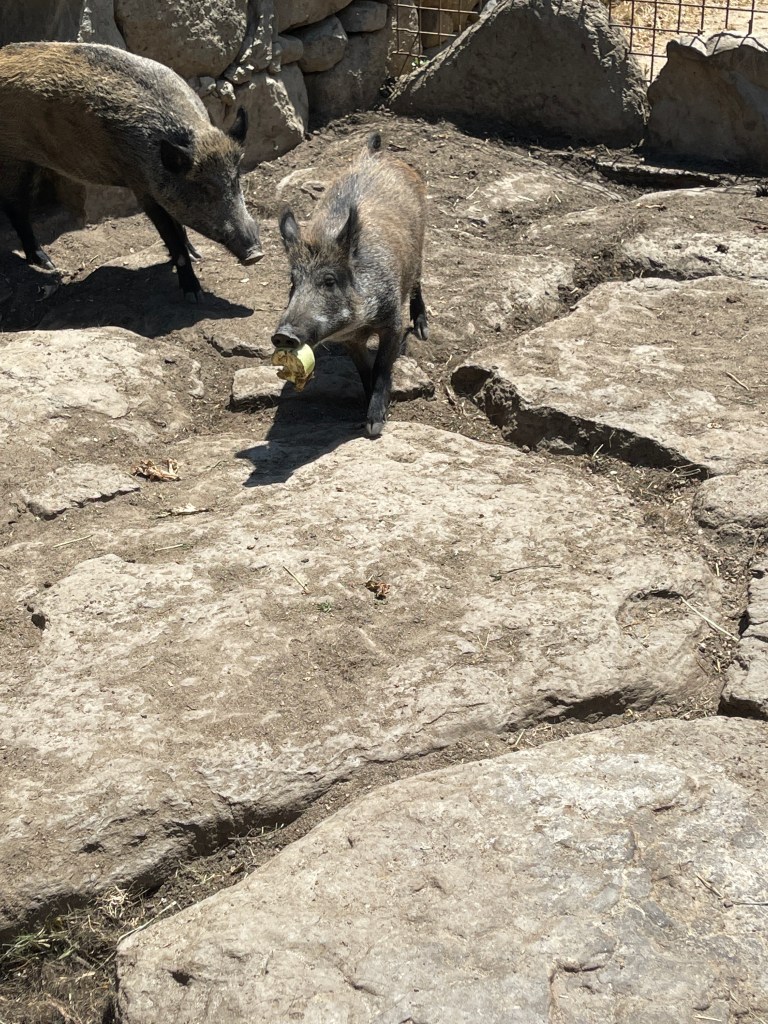

One of the men joked that maybe it wasn’t what they ate that had the men living so long but because they weren’t home dealing with the stress of wives and of raising children. The other men laughed about that one! It seems that the women live longer and healthier there as well, so maybe they also benefitted by having less stress from their husbands being around all the time. My thought is that living isolated from the world’s issues, politics, and social drama, without so many modern conveniences, and growing one’s own food while working hard in natural surroundings might be some of the reasons they live healthier lives into their late 90s.

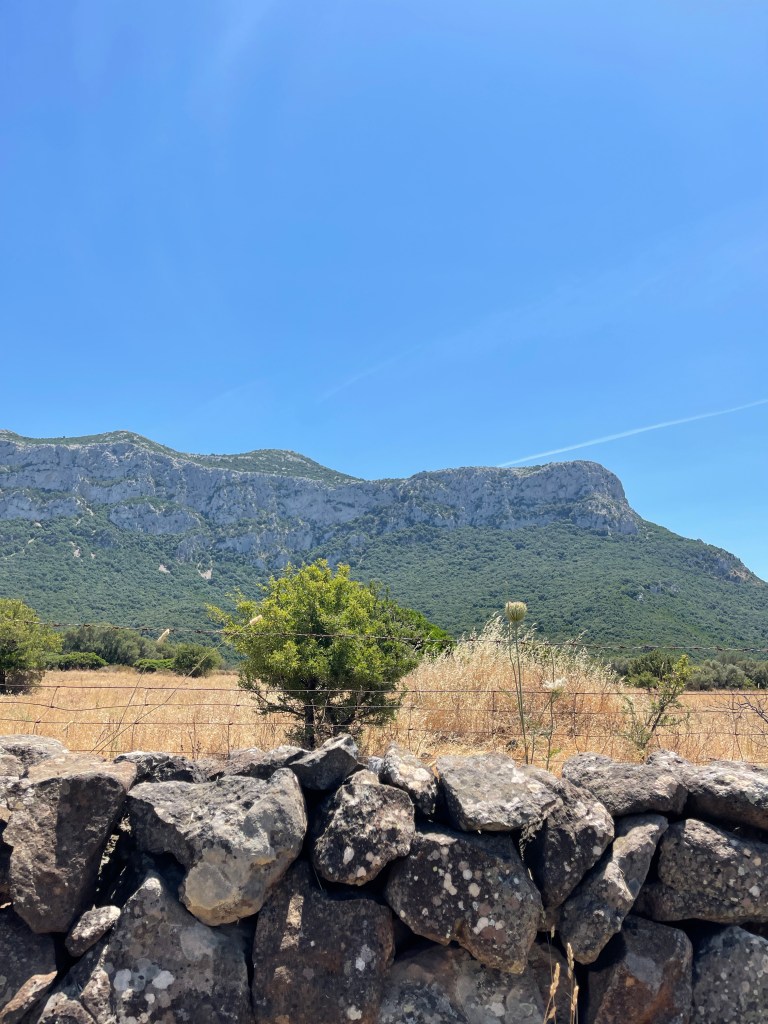

I had a productive day where I learned a lot about the lives of the people in the area, but I still had so much more I wanted to learn. My next day trip would be to see where the shepherds worked and slept while they were away from home. I had an entire day planned where I would trek through the rugged landscape to meet, visit, and have lunch with some shepherds. I could hardly wait to see what my next experience would be!
 Living in the Zone